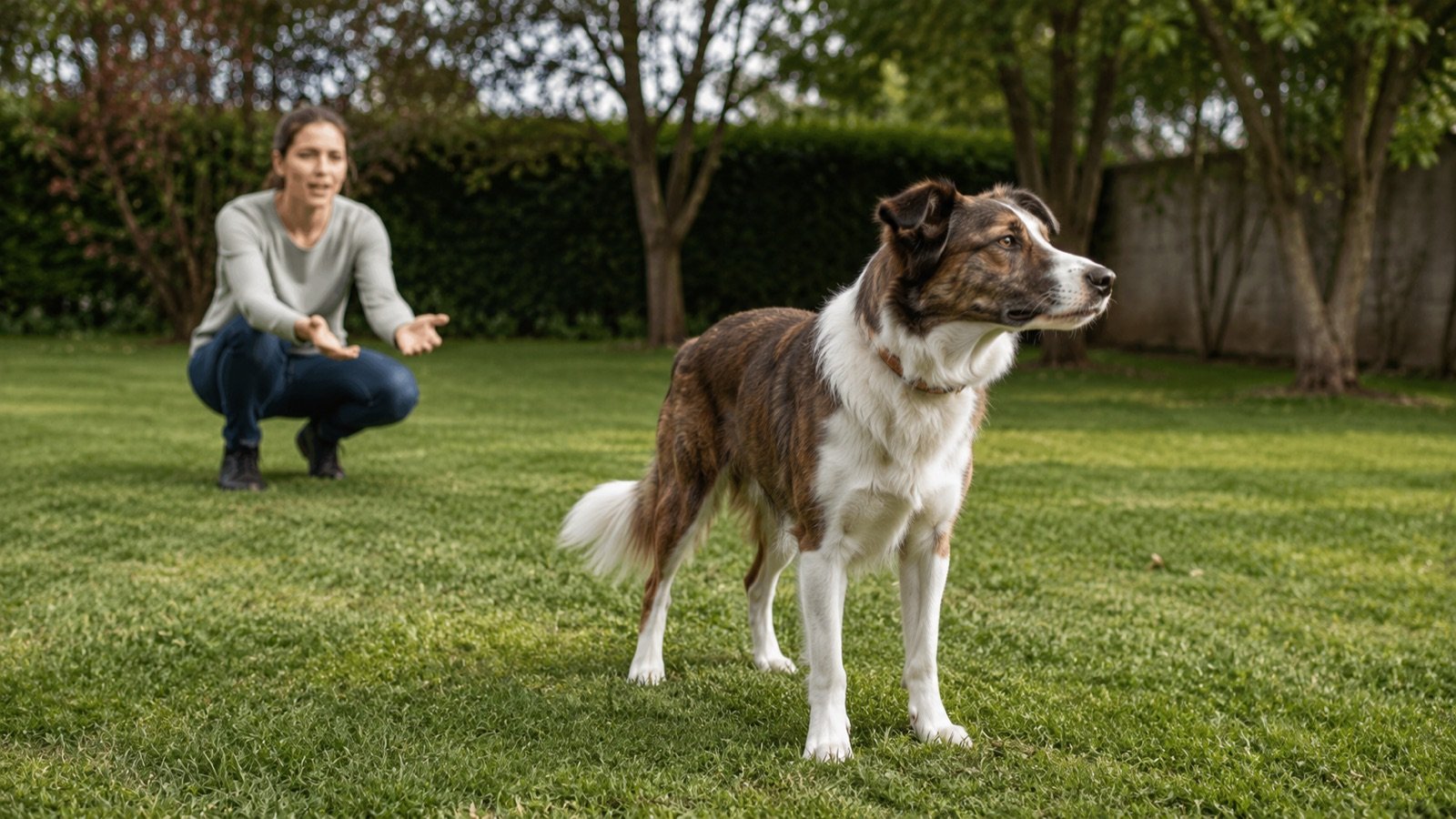
Your dog probably isn't ignoring you on purpose. The usual reasons are competing distractions, weak motivation, a cue that was never fully learned, unclear body language, an over-used or "poisoned" command, too much repetition, or an underlying health issue. Fix the cause and the attention comes back fast.
"He knows what 'come' means, he just ignores me." I hear this from almost every new foster owner — and I used to say it too. The truth is gentler and more fixable: dogs do what works for them, and when ignoring you works better than listening, they'll ignore you. Here are the seven real reasons, and what to do about each.
1. Something more interesting is competing for attention
A squirrel, another dog, a fascinating smell — the outside world is a firehose of things more exciting than you. This isn't disobedience; it's biology. Fix: practice cues in gradually harder environments and bring higher-value treats when distractions go up. Be more interesting than the squirrel.
2. Listening doesn't pay off enough
If coming when called earns a dull "good boy" but chasing a bird earns a thrilling sprint, the bird wins. Fix: make listening genuinely rewarding — great treats, play, praise, freedom. Reward generously while a skill is new.
The window you have to mark and reward a behavior so your dog connects the reward to the right action. Miss it and the message blurs.
Principle: reward-based training timing (AVSAB guidance on positive reinforcement)3. The cue was never fully learned
Your dog may know "sit" in the kitchen but not in the park. Dogs don't generalize the way we do — a cue has to be practiced in many places before it's reliable everywhere. Fix: re-teach each skill in new rooms, then the yard, then the street. The step-by-step order is in my guide on how to train your dog at home.
4. Your body language is saying something different
Dogs read our posture more than our words. Leaning over a dog, tense shoulders, or a frustrated tone can make them hesitate or shut down. Fix: stay relaxed and upright, use a happy voice, and crouch or turn sideways to invite your dog in.
Brain Training for Dogs rebuilds attention from the ground up with games that make you the most rewarding thing in the room. It's the force-free program we recommend for exactly this.
Read our honest review → Independent review · we may earn a commission at no extra cost to you.5. The command is "poisoned" from overuse
If "come" has ever led to a bath, nail trim, or the end of playtime, your dog learns the word predicts something unpleasant. Repeating it in frustration makes it worse. Fix: retire the word for a while, teach a fresh one, and make sure it always predicts something good.
6. Too much drilling has drained the fun
Long, repetitive sessions bore a dog into checking out. Fix: keep sessions to 5–10 minutes, end on a win, and mix in the brain games from my list of 12 mental stimulation games to keep their mind hungry.
7. A health or hearing issue is in the way
Sometimes a dog isn't ignoring you — they genuinely can't hear you, or they're in pain or discomfort. Sudden "selective hearing" in an older dog especially deserves a look. Fix: if attention drops off suddenly or your dog seems off, see your veterinarian to rule out a medical cause.
The one-line reframe: your dog isn't giving you a hard time — your dog is having a hard time. Find which of these seven is true, fix that, and the "stubbornness" disappears.
Frequently asked questions
Why does my dog listen at home but ignore me outside?
Outdoors is packed with smells, sounds, and movement that compete for attention. A cue learned in a quiet kitchen has to be re-taught in each new, harder environment, using higher-value treats as distractions increase.
Is my dog ignoring me on purpose or being stubborn?
Rarely on purpose. What looks like stubbornness is usually confusion, competing distractions, low motivation, or a cue that hasn't been reinforced enough. Dogs do what works for them, so make listening more rewarding than ignoring.
How do I get my dog to pay attention to me?
Build a focus cue: reward your dog every time they make eye contact, start in a quiet room, and slowly add distractions. Use high-value treats and keep sessions short and upbeat so checking in with you always pays off.
Why does my dog ignore me but not other people?
Usually it's about who's more rewarding and consistent. If someone else pays better — treats, play, calm energy, clearer cues — your dog tunes in to them. Be the fun, consistent one: reward check-ins, keep cues clear, and your dog will start choosing you.
Why does my dog only listen when I have food?
Because the food became the cue instead of the behavior. Fix it by rewarding from a pocket or after the behavior (not luring with food in your hand), varying the reward with praise, play and life rewards, and fading treats gradually so your dog responds to you, not the snack.
Sources
Where this guide makes a claim about training method, behaviour or health, this is where it comes from. Checked August 2026.
- American Veterinary Society of Animal Behavior (AVSAB). Humane Dog Training Position Statement, 2021 — recommends that only reward-based training methods are used for all dog training, including the treatment of behaviour problems. Accessed August 2026. avsab.org
- Merck Veterinary Manual. Behavioral Problems of Dogs — clinical reference on canine behaviour problems and their management. Accessed August 2026. merckvetmanual.com
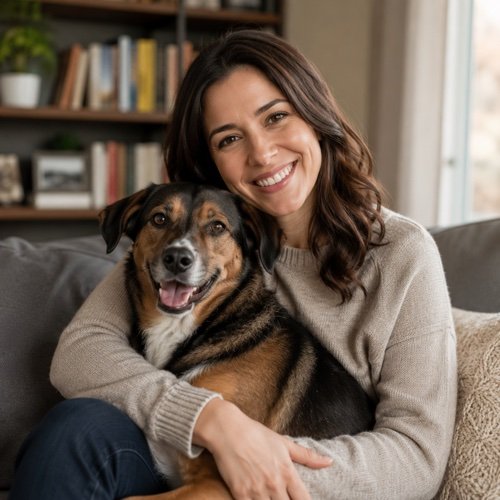
Canine behavior writer & rescue foster
Megan has fostered more than 30 rescue dogs, many of them shut-down or over-stimulated, and has rebuilt attention with every one using force-free methods. She writes PawHonest to share honest, hype-free dog guidance.
A note on trust: If your dog's attention drops off suddenly, or comes with other changes, please see your veterinarian — hearing loss, pain, and illness can look like "ignoring." PawHonest is reader-supported: we may earn a small commission on purchases through our links, at no extra cost to you, and only recommend what we'd use on our own dogs.