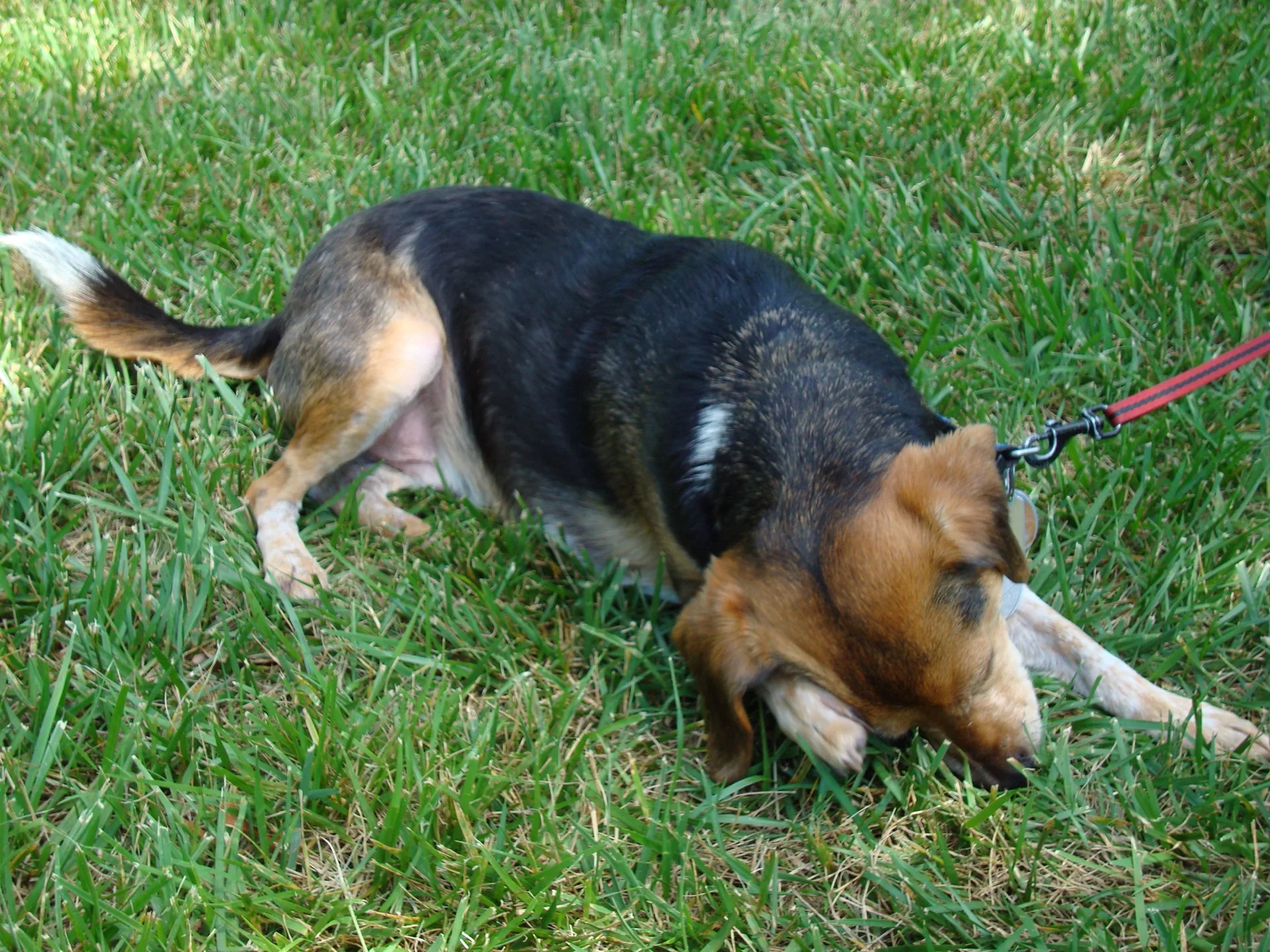
Most home treatment for itchy skin fails because it skips the order vets actually use: rule out fleas and mites first, then infection, then allergy. Weekly-to-biweekly baths and omega-3s help real cases, but the fatty acids take up to two months. Antihistamines like Benadryl have weak evidence on their own — don't rely on them alone, and never guess the dose.
See a vet today if you notice: facial or muzzle swelling, hives, or sudden severe itching right after an insect sting or a new food or treat · open or bleeding sores from scratching · a strong odor or discharge from the skin · itching alongside lethargy or appetite loss. Those aren't home-treatment situations.
One of my foster dogs came to me labeled "allergic to everything" — three different shampoos, a fish-oil bottle, and an owner at the end of her patience. Two weeks and one vet visit later, the actual problem was an ear and skin yeast infection that no amount of oatmeal shampoo was ever going to touch.
That's the trap almost every itchy-skin article walks you into: a list of remedies, no order, and no explanation of why the same list didn't already work for you.
Why home treatment so often doesn't work
Itching is a symptom, not a diagnosis, and veterinary guidance treats it that way — with a specific order for finding the cause: parasites first, infection second, allergy last. Most owners jump straight to allergy, because that's what the internet talks about most, and start treating the wrong thing.
Parasites — fleas and mites — are the first thing a vet rules out, because a dog can be carrying them without you ever spotting one. Infection is checked next: bacterial or fungal overgrowth on already-irritated skin, confirmed with a full antibiotic or antifungal trial. Only once both of those are cleared does "allergy" become the most likely answer.
The number almost nobody gives you: ruling out infection properly takes a 21-to-30-day course of the right medication, not a few days. That's exactly why so many home fixes seem to work for a week, then the itching comes back — the infection was suppressed, not cleared, and the underlying cause was never actually treated.
Step one: rule out fleas and mites yourself
This is the fastest check and the one most owners skip because they assume they'd have seen a flea by now.
- Part the fur at the base of the tail and along the back — look for small dark specks (flea dirt) that turn reddish-brown on a wet paper towel.
- Check for scratching that's worse at night, or hair loss concentrated around the tail, thighs and belly.
- Mites are often invisible to the eye entirely — a vet skin scrape is the only reliable way to rule them out, so if the itching is severe and localized, that's worth asking for.
If your dog isn't on a current flea and tick preventive, start there before anything else on this page. It's the cheapest, fastest variable to remove.
Step two: rule out infection
Irritated skin doesn't stay clean — scratching and licking break the skin barrier, and bacteria or yeast move in on top of whatever started the itch. This is why a dog's skin can look and smell different from a simple dry-skin case: redness, a greasy texture, a distinct odor, or dark, thickened patches (especially between the toes and in skin folds) all point this way.
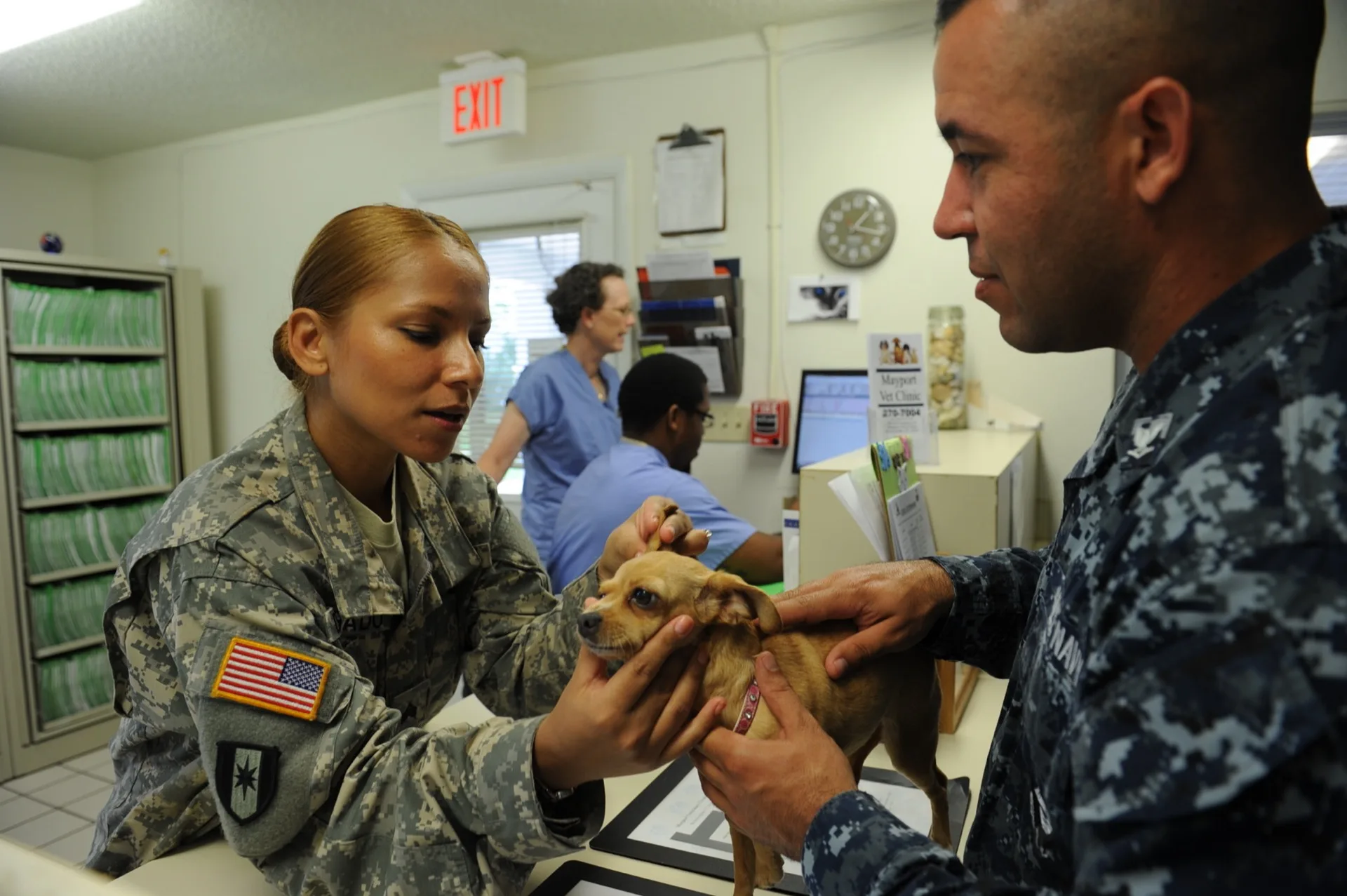
This step needs a vet, because treating it right means the correct antibiotic or antifungal for the full course — not a topical wipe for a few days. Skipping it, or stopping early because the itching improved, is the single most common reason home treatment "stops working."
What actually helps at home, with real evidence behind it
Once fleas and infection are off the table, here's what's genuinely worth doing — and what isn't as strong as its reputation.
Bathing, more often than you'd think. Veterinary guidance for allergic skin conditions recommends weekly to biweekly baths with a gentle, dog-specific shampoo. It physically washes off pollen and other allergens sitting on the coat and can measurably cut itching. Most owners bathe far less than this out of habit — this is one case where more is actually the guidance, not less.
Omega-3 fatty acids, played long. These have real research behind them for skin inflammation, but two honest caveats: they're not useful for an acute flare happening right now, and they can take up to two months to reach their full effect. If you started a fish-oil supplement last week expecting results this week, that's the mismatch.
The dog who taught me this the hard way. My own Golden Retriever went through a stretch of paw-licking and belly scratching that I initially threw everything at — a new shampoo, then a supplement, switching brands within days when nothing seemed instant. Nothing "worked" because I never gave any single thing the two months it actually needed. Once I picked one plan and stuck with it, the itching that had lingered for weeks noticeably eased by around day 50 — not day five.
Once a vet has ruled out fleas, mites and infection, and it's ordinary inflamed, dry-feeling skin rather than diagnosed atopic dermatitis needing prescription treatment, UltraK9 Pro is the daily formula we point people to — turmeric for the inflammation side, MCT oil and bone broth alongside it, in a liquid poured straight onto food. From $39 a bottle, one-time purchase, 60-day money-back guarantee — which happens to line up with the two months fatty acids actually need to work.
See what's inside & current price → Independent review · we may earn a commission at no extra cost to you. Not a substitute for vet-diagnosed allergy treatment.Does Benadryl actually work for itching?
It's the first thing most owners reach for, so it's worth being honest about what the evidence actually says: current veterinary research does not support antihistamines as an effective standalone treatment for itching in dogs. They can still have a place alongside other treatments in managing a chronic, ongoing case — just not as the one thing that fixes an itchy dog by itself.
If your vet does recommend an antihistamine: ask for the exact dose for your dog's weight rather than using an online chart — this is off-label use in dogs, and the right amount matters. Check the label yourself before giving anything: many combination Benadryl products contain a decongestant or are sweetened with xylitol, both of which are dangerous for dogs. Plain diphenhydramine only.
What a vet may prescribe if it's a genuine allergy
When it is atopic dermatitis — a true environmental allergy, diagnosed rather than assumed — there are treatments with real success rates behind them that home care can't replicate:
- Topical steroids (prescription creams or sprays) are best suited to a sudden flare or a localized patch, and work faster than anything oral.
- Prescription oral medications for chronic itching exist and are generally considered more effective long-term than antihistamines, but they need a vet's diagnosis and monitoring.
- Allergen-specific immunotherapy — essentially allergy shots for dogs — has a success rate of roughly 70% in dogs with diagnosed atopic dermatitis. It's slow (months, not weeks) but it's the closest thing to addressing the actual allergy rather than managing the symptom.
None of this is home treatment, and that's the point — if fleas, mites and infection are ruled out and the itching is still significant, this is exactly where a vet visit stops being optional.
The short version
Don't start with allergy remedies. Check for fleas and mites first, rule out infection with your vet second, and only then treat the itching itself — with weekly-to-biweekly baths for a fast effect and omega-3s for the long game, giving both the two months they actually need. Antihistamines are weaker than their reputation and should never be dosed by guesswork. And if you see facial swelling, open sores, odor, or itching that won't quit after two honest weeks of doing this in order, that's a vet visit, not another shampoo.
UltraK9 Pro covers the inflammation and fatty-acid side in one daily liquid — turmeric, MCT oil and bone broth, poured straight onto food. From $39 a bottle with a 60-day guarantee, the same window the research says fatty acids need anyway.
See the full breakdown & price → Independent review · we may earn a commission at no extra cost to you.Frequently asked questions
What is the fastest home treatment for a dog's itchy skin?
A weekly-to-biweekly bath with a gentle dog shampoo has real veterinary evidence behind it — it reduces itching and washes away allergens sitting on the coat. But bathing alone won't fix fleas, mites or an infection, so it works best paired with ruling those out first, not as a standalone fix.
Can I give my dog Benadryl for itchy skin?
You can, but set expectations honestly: current veterinary research does not support antihistamines as an effective itch relief on their own, though they can help as part of a wider treatment plan for chronic cases. Never dose from an online chart — ask your vet for the right amount for your dog's weight, and check the label yourself, since many Benadryl products contain a decongestant or xylitol, both dangerous for dogs.
How often should I bathe a dog with itchy skin?
Veterinary guidance for allergic skin conditions recommends weekly to biweekly baths, which is more often than most owners assume. Use a gentle, dog-specific shampoo — human shampoo and over-bathing beyond that can dry the skin further and make itching worse.
Does fish oil help a dog's itchy skin?
Omega-3 fatty acids have real research behind them for skin inflammation, but veterinary guidance is specific: they are not useful for an acute flare and can take up to two months to reach their effect. They belong in a long-term plan, not as something you try for a week and judge.
Why does my dog's itching come back after home treatment seemed to work?
It usually means the underlying cause was never actually resolved. Vets rule out infection with a full 21-to-30-day antibiotic or antifungal trial before concluding it's an allergy — a week of home treatment that looks like it's working, then a relapse, is a classic sign the real cause is still there and just quieted down temporarily.
When should I take my itchy dog to the vet?
Same day for facial swelling, hives, or sudden severe itching after an insect sting or new food — those can signal an allergic reaction. Book a visit soon for open or bleeding sores from scratching, a strong odor, discharge, or itching that hasn't improved after about two weeks of consistent home care. Those patterns point to infection or a genuine allergy that needs a vet to diagnose.
Sources
Where this guide makes a claim about a treatment or a number, this is where it comes from. Checked September 2026.
- Merck Veterinary Manual. "Itching (Pruritus) in Dogs" — the diagnostic order (parasites, then infection, then allergy), the 21–30 day antibiotic/antifungal trial, and why current research doesn't support antihistamines as a standalone itch treatment. Accessed September 2026. merckvetmanual.com
- Merck Veterinary Manual. "Canine Atopic Dermatitis" — weekly-to-biweekly bathing guidance, essential fatty acid timing (not for acute flares, up to 2 months to take effect), topical glucocorticoid and tacrolimus use, and the ~70% success rate for allergen-specific immunotherapy. Accessed September 2026. merckvetmanual.com
- VCA Animal Hospitals. "Diphenhydramine" — off-label use in dogs, side effects, and safety cautions. Accessed September 2026. vcahospitals.com

Canine behavior writer & rescue foster
Megan has fostered more than 30 rescue dogs, several arriving mid-scratch and mislabeled "allergic to everything." She writes PawHonest to share honest, hype-free advice — and she is not a veterinarian.
A note on trust: This article summarises published veterinary guidance and is educational, not medical advice. Megan is not a veterinarian. Itchy skin can signal parasites, infection or a genuine allergy — if anything here matches your dog, see your vet before starting a supplement or medication. PawHonest is reader-supported: we may earn a small commission on purchases made through our links, at no extra cost to you.