
Most dull coats come down to two things: what the coat is built from, and what's inflaming the skin underneath it. Everything else is secondary. Coats grow slowly, so research points to at least two months of daily support before you judge any change.
Almost every rescue dog I've fostered arrived looking dusty. Flat coat, no shine, often a bit sparse over the hips. It's one of the first things people notice and one of the last things to improve.
Here are the six causes worth checking, in the order I'd check them.
1. The food is doing most of the work
A coat is built from protein and fat. If a diet is low in either, or the protein is poor quality, the coat is where you see it first — because the body prioritises organs over appearance.
This doesn't mean you need a boutique food. It means checking that whatever you feed is complete and balanced for your dog's life stage, and that the portion actually matches your dog's size and activity.
2. The two levers that actually change a coat
Once the food is sorted, there are only two things that move a coat: what it's built from, and what's inflaming it. Almost every supplement on the market plays on one of those two. The good ones cover both.
Lever one: the building blocks
Hair and skin are protein structures. Collagen is the main structural protein in skin, and it's the one that thins with age — which is exactly when coats start looking tired and feeling coarse. Fatty acids matter here too, for the skin barrier that holds moisture in.
Lever two: the inflammation nobody talks about
This is the one most owners miss, and it's the one I'd chase first in a dog that isn't obviously malnourished.
A coat doesn't go dull because the hair is broken. It goes dull because the skin producing that hair is irritated — and irritated skin makes poor hair, sheds it early, and stops releasing the oils that create shine. Fix the inflammation and the coat follows, because you've fixed the factory rather than polishing the product.
The minimum time veterinary research indicates a skin and coat supplement should be given to reach its maximum effect — and it shouldn't be stopped for more than a month afterwards if you want to keep the benefit.
Source: published veterinary guidance on fatty-acid supplementation in dogsThat number is the single most useful thing on this page, because it explains almost every "supplements didn't work for my dog" story you'll read. Most people quit at three weeks. The research says the coat hadn't even finished growing yet.
What to look for in a formula: something that covers both levers rather than one. Turmeric (curcumin) has real research in dogs for a healthy inflammatory response. Collagen is the structural protein skin and coat are built from, and is studied for support in older dogs. A formula carrying both is working on the cause and the raw material at the same time.
My own dog, since people always ask. Mine is a six-year-old Golden Retriever who shed all year round — brushed almost daily and the sofa was still covered, coat dull and a bit coarse. On a daily supplement I saw the first real difference at week three, and by day 45 it was obvious: softer coat, the shine back, and far less hair coming out in the brush. What it did not do was stop the shedding — he still moults with the seasons, like every Golden. It reduced it a lot. It didn't switch it off, and anyone telling you otherwise is selling you something.
3. You're bathing too often
Shine comes from the natural oils in the skin. Frequent washing strips them, and human shampoo strips them faster because it's formulated for a different pH.
Unless your vet has put your dog on a medicated wash schedule, most healthy dogs need bathing far less often than owners assume. If your dog gets a bath every couple of weeks out of habit, try stretching the gap and see what the coat does.
Brushing helps — but only from the outside. A few minutes most days spreads the skin's own oils down the hair shaft and clears dead undercoat. What brushing can't do is build a better coat, because that happens from the inside, out of what your dog eats. Grooming polishes the coat your dog already has. Nutrition grows the one you actually want — which is why the fatty acids above do the heavy lifting, and a daily supplement is the simplest way to get them in.
4. Parasites you can't see
Fleas, mites and worms all pull condition out of a coat, and a dog can carry them without you spotting a single insect. Flea dirt at the base of the tail, scratching that's worse at night, or a coat that's rough only in patches are all worth a check.
This one is quick to rule out and pointless to guess at. Ask your vet.
UltraK9 Pro is the one we keep pointing people to for exactly this: turmeric for the inflammation side, bovine collagen for the structural side, plus MCT oil and bone broth in a liquid you pour straight onto food. From $39 a bottle, one-time purchase, 60-day money-back guarantee.
See what's inside & current price → Independent review · we may earn a commission at no extra cost to you.5. Age, and the coat that comes with it
Older dogs produce less skin oil, and the coat gets coarser and thinner. Some of that is simply age and no supplement reverses it.
What you can do is make the rest easier: keep the diet solid, keep up the brushing, and don't over-bathe a skin that's already drier than it used to be.
6. One quick check before you invest
For most dogs, a dull coat is exactly what it looks like: a nutrition and grooming gap you can close. For a small number, it's a signal from something else — and that's worth thirty seconds of your attention before you commit to anything.
Give your vet a call if you notice:
- Hair loss in patches, or symmetrical thinning on both sides
- Broken, inflamed or smelly skin
- Constant scratching, licking or chewing at one spot
- Coat change plus weight gain, low energy, or increased thirst
Those patterns point at allergies, parasites or thyroid conditions — all very treatable once they're identified.
And if none of that describes your dog? Then you're in the best possible position: a healthy dog whose coat simply isn't getting what it needs to look its best. That's precisely the situation where the right daily supplement earns its keep — you're not masking a problem, you're feeding a coat that's ready to respond.
Give the coat the two things it's missing and let it grow. UltraK9 Pro covers both — turmeric for inflammation, collagen for structure — in a daily liquid that goes straight on the food. From $39 a bottle with a 60-day guarantee, which is exactly the two-month window the research says you need anyway.
See the full breakdown & price → Independent review · we may earn a commission at no extra cost to you.How long before you see a difference?
Longer than the marketing suggests, and that two-month figure above is the one to hold on to.
That fits how hair actually works. You're not polishing the coat that's there; you're growing a better one. Take a photo today in decent daylight, and take another in eight weeks. Memory is a terrible measuring instrument for slow change.
The short version
Check the food, bathe less, brush regularly, and rule out parasites. But the piece most owners are actually missing is the fatty acids — it's the one with real research behind it, and the one a daily supplement fixes fastest. Start it, give it two full months, and take a photo on day one so you can see the difference rather than trying to remember it.
Frequently asked questions
Why is my dog's coat suddenly dull and dry?
Two things drive most dull coats: missing building blocks such as collagen and fatty acids, and inflammation in the skin producing the hair. Diet quality, over-bathing, parasites and age all feed into those. A coat that changes suddenly alongside itching, bald patches, weight change or low energy is worth a call to your vet.
What should I look for in a dog skin and coat supplement?
A formula that covers both levers rather than one. Turmeric (curcumin) has real research in dogs for a healthy inflammatory response. Collagen is the structural protein skin and coat are built from, and is studied for support in older dogs. And a daily liquid your dog takes willingly beats a powder left sitting in the bowl.
How long does it take for a dog's coat to improve?
Longer than most people expect. Research on omega-3 supplementation in dogs indicates at least two months for maximum benefit, and not stopping for more than a month if you want to keep it. Hair grows slowly — judge results over months, not weeks.
Does bathing my dog too often cause a dull coat?
It can. Frequent washing, especially with harsh or human shampoo, strips the natural oils that give a coat its shine. Unless your vet has prescribed a medicated wash schedule, most healthy dogs need bathing far less often than owners assume.
When should I see a vet about my dog's coat?
Give your vet a call if there's patchy hair loss, broken or inflamed skin, a strong smell, constant scratching or licking, or if the coat change comes with weight gain, low energy or extra thirst. Those point to parasites, allergies or thyroid conditions, which are very treatable once identified. If none of that fits your dog, a dull coat is usually a nutrition gap — and that's the easiest kind to close.
Sources
Where this guide makes a claim about coat, skin or nutrition, this is where it comes from. Checked August 2026.
- WSAVA. Global Nutrition Guidelines — the veterinary standard for assessing pet diets and supplements. Accessed August 2026. wsava.org
- Merck Veterinary Manual. Structure of the Skin in Dogs — how the coat is built and what changes it: "hormones, disease, drugs, nutrition, and environment also affect the health of hair", plus normal shedding in early spring and early autumn. Accessed August 2026. merckvetmanual.com
- Merck Veterinary Manual. Hair Loss (Alopecia) in Dogs — causes behind a thinning or poor coat, including nutritional deficiency (particularly protein), hormonal imbalance such as hypothyroidism, parasites and allergies. Accessed August 2026. merckvetmanual.com
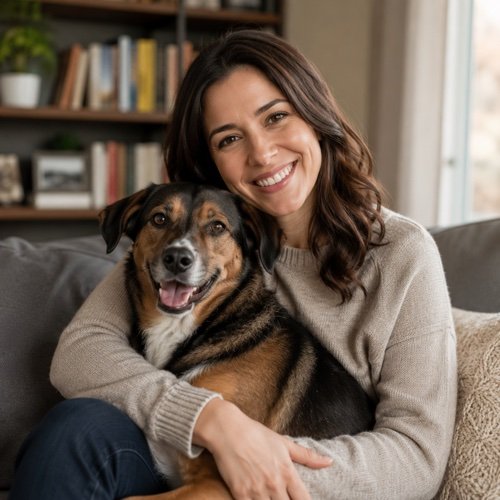
Canine behavior writer & rescue foster
Megan has fostered more than 30 rescue dogs, most of them arriving with the flat, dusty coat that comes from a rough start. She writes PawHonest to share honest, hype-free advice — and she is not a veterinarian.
A note on trust: This article summarises published veterinary guidance and is educational, not medical advice. Megan is not a veterinarian. Coat changes can be a sign of treatable disease — if anything here matches your dog, see your vet before starting a supplement. PawHonest is reader-supported: we may earn a small commission on purchases made through our links, at no extra cost to you.