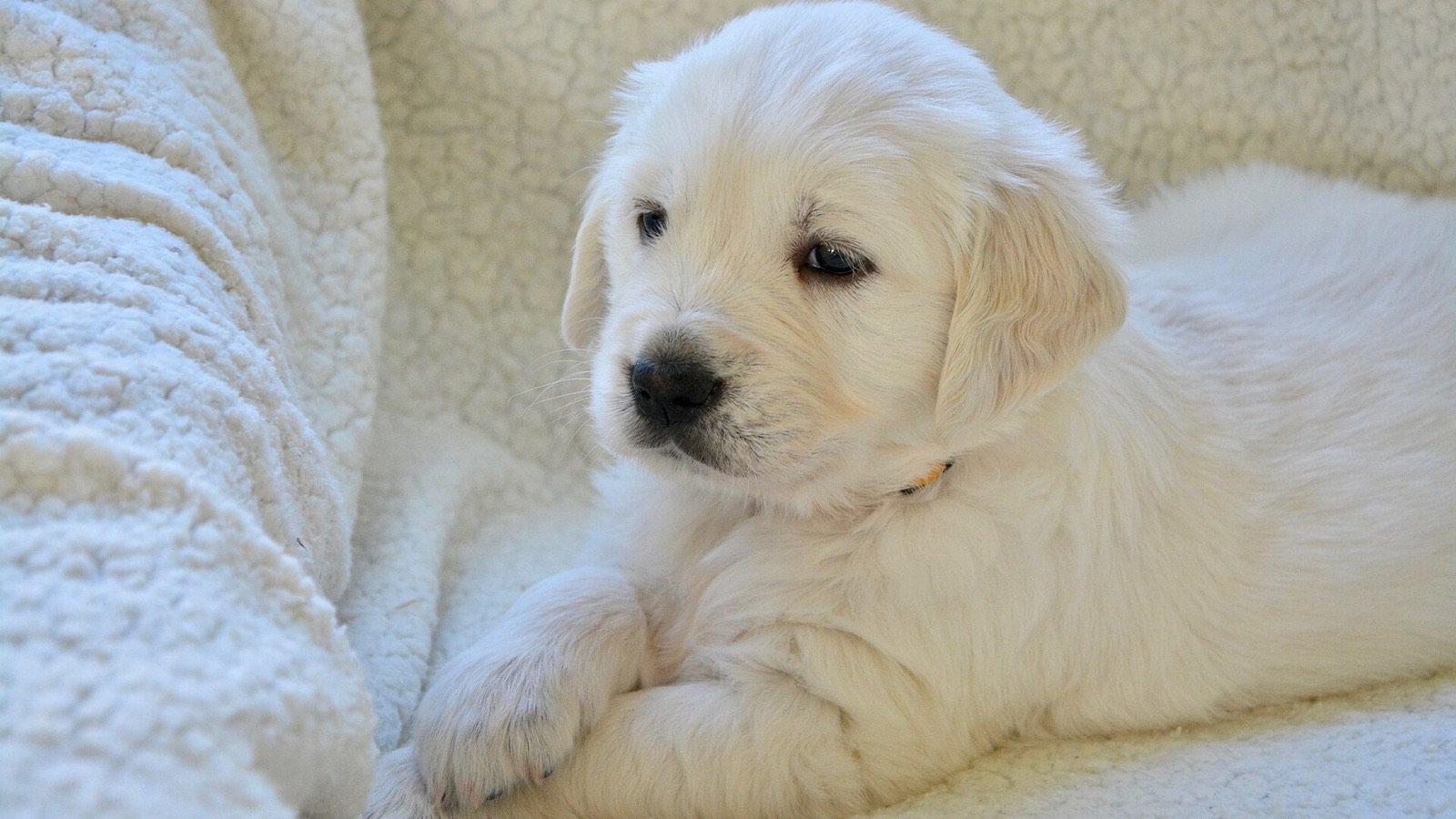
Take your puppy straight to their toilet spot before going inside, then bring them into one small, quiet room rather than the whole house. Keep day one calm and boring — no visitors, no big tour. Sleep with the crate next to your bed on the first night.
The waiting is over and it still doesn't feel real. Then the car door opens, and suddenly there's a small animal who has no idea where they are, and you're the one in charge.
Here's the thing most people get backwards: day one is not about starting. It's about not overwhelming. Everything you're excited to do — the friends who want to meet them, the new toys, the garden tour — can wait a week. What your puppy needs today is a world small enough to cope with.
I've fostered more than thirty dogs and collected most of them on a day like yours. Here's exactly how I run it.
What's the first thing you should do when your puppy comes home?
Don't go inside yet.
Carry your puppy — don't walk them — to the exact spot in the garden or outside your door where you want them to toilet from now on. Put them down and just wait. Say nothing. Let them sniff around.
Most puppies go within a few minutes, because the car journey and the new smells get things moving. When they do, praise calmly and give a treat right there. You have just taught the single most useful lesson of the week, before your puppy has even seen the living room.
If nothing happens after five minutes, go inside anyway and try again in twenty. Don't stand out there for half an hour.
What should be ready before they arrive?
Set this up the day before, not while holding a puppy in one arm:
- One small room — usually the kitchen or wherever you spend the most time. This is your puppy's whole world for the first couple of days. A playpen or baby gate does the job.
- A crate or open bed, with soft bedding, left open so it's just furniture, never a punishment.
- The same food the breeder or shelter was using. Changing food and changing homes in the same week is how you get diarrhoea.
- Water down permanently, in a bowl too heavy to tip.
- Two or three chew toys — not fifteen. Fifteen toys on the floor teaches a puppy that everything on the floor is theirs, including your shoes.
- Your vet's number saved, and a first appointment booked for the coming week.
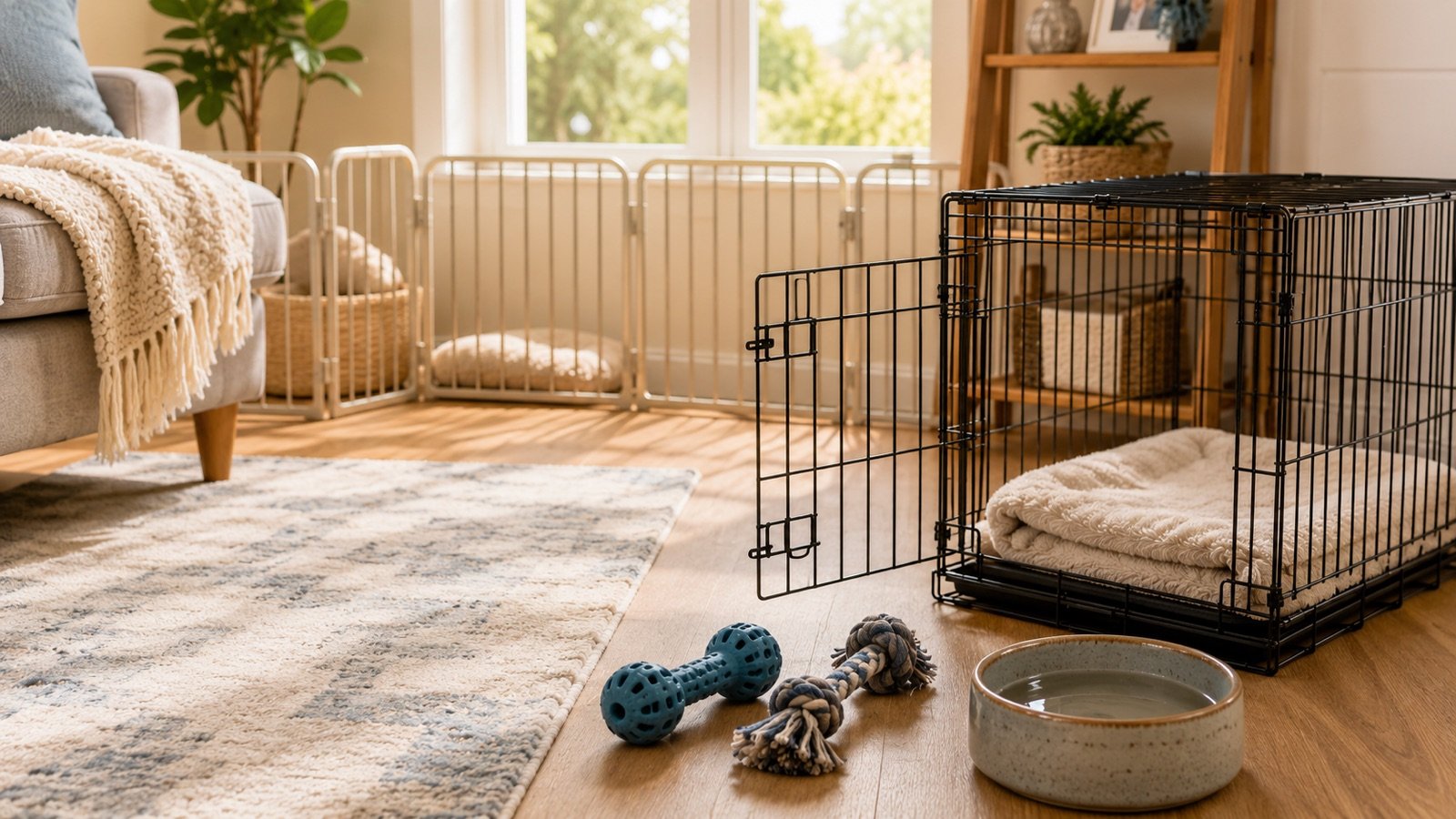
Then puppy-proof at their eye level. Get down on the floor and look: cables, shoes, houseplants, the gap behind the sofa, anything small enough to swallow.
The age most puppies come home — which sits right inside the main socialisation window of roughly 3 to 14 weeks. That's why day one already counts: what your puppy experiences this week shapes how they read the world as an adult.
Source: AVSAB position statement on puppy socializationHow should the first hour go?
Quietly, and with less of you than you'd like.
After the toilet trip, bring your puppy into that one small room and put them on the floor. Then sit down and mostly ignore them. Let them explore at their own pace, sniffing corners and finding the water bowl.
This feels wrong. You've been waiting weeks and now you're supposed to sit still. But a puppy who is allowed to investigate on their own terms settles far faster than one who is picked up, passed around and followed.
Offer water. Show them where the bed is. That's the whole first hour.
No visitors today. I know people want to come and meet them. Everyone will still be excited on Saturday.
What does the rest of day one look like?
There's no rigid schedule, but the shape of a good first day looks like this:
- Toilet trips every hour, plus straight after every nap, meal, drink and play session. Same spot, same door, every time.
- Two or three short meals of the food they already know. A skipped meal today is normal — stress suppresses appetite.
- Long naps. An eight-week-old puppy sleeps most of the day. If yours is getting nippy and frantic, that's almost always tiredness, not naughtiness. Put them somewhere quiet.
- Two or three tiny absences. Walk out of the room for two minutes, come back with no fuss. Do it a few times. This is the most-skipped step of day one, and it's the one that prevents trouble later.
- Five minutes of gentle handling — paws, ears, a look in the mouth — paired with treats, so the vet visit next week is easy.
That's it. No training session, no walk around the block, no meeting the neighbours' dog.
The puppies who settle fastest are the ones whose brains get gentle, structured work early. Brain Training for Dogs uses force-free games that build focus and confidence — the foundation everything else sits on. Here's our honest take on it.
Read our Brain Training for Dogs review → Independent review · we may earn a commission at no extra cost to you.How do you get through the first night?
Tonight your puppy sleeps alone for the first time in their life. Until yesterday they slept in a warm pile of siblings.
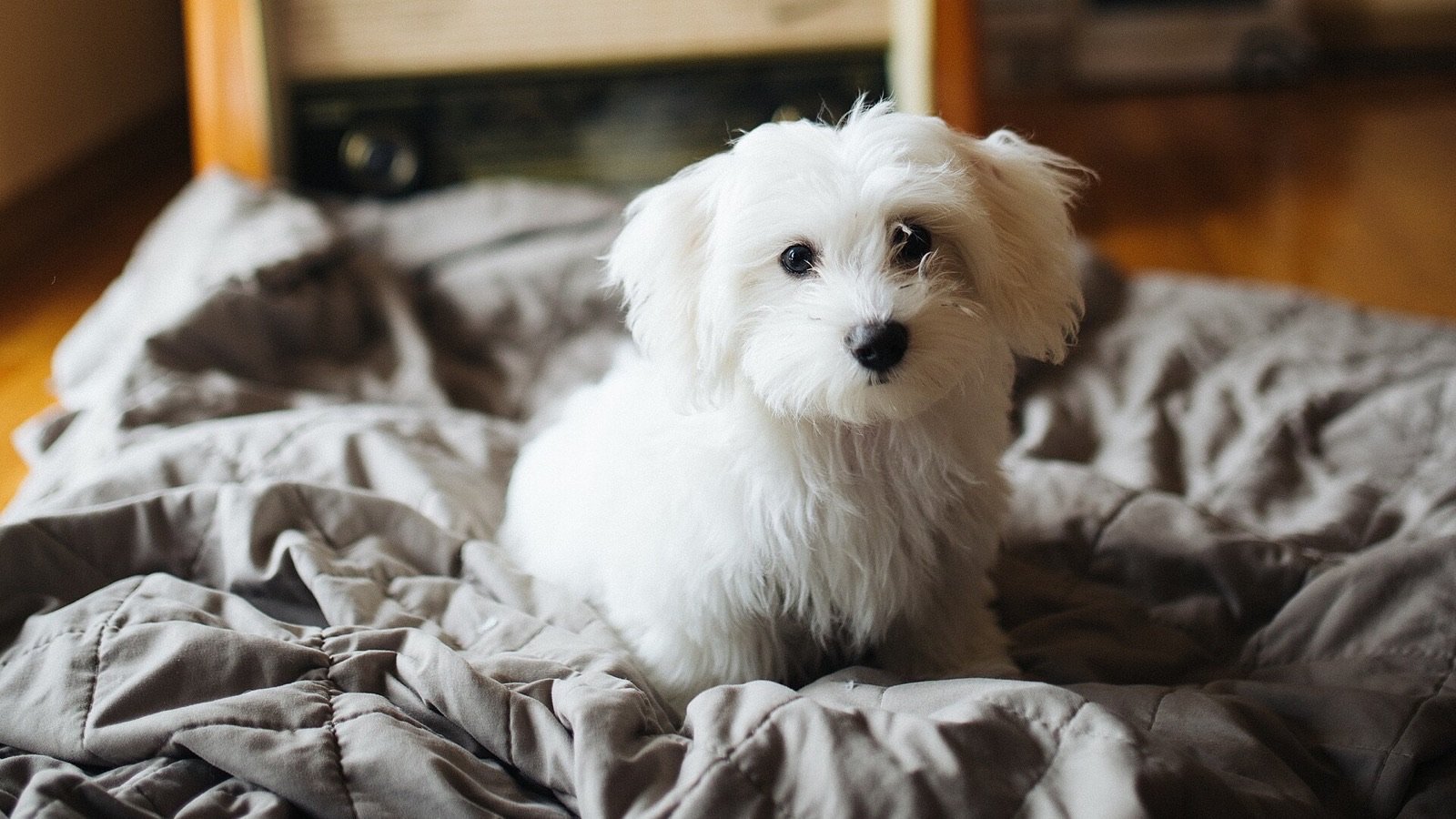
So put the crate or bed right next to your own bed, where they can hear you breathe and smell you. This is the single thing that makes the difference between a rough night and a manageable one. You are not creating a bad habit — you can move the crate gradually across the room over the following weeks.
The rest:
- Last toilet trip immediately before bed, and lift the water bowl about an hour beforehand.
- Expect one or two toilet breaks in the night. An eight-week-old bladder genuinely can't last until morning.
- Keep night trips boring. No lights on, no talking, no play. Outside, toilet, straight back to bed. Otherwise 3am becomes party time.
- If they cry, don't shout and don't lift them out. Lower a hand so they can smell you. Most settle in twenty to forty minutes when you're close by.
By night three or four it's usually noticeably better. If your puppy is still panicking badly after a week or two, or can't cope with being alone in the daytime either, read up on separation anxiety — it's much easier to head off early than to fix later.
What mistakes do new owners make on day one?
These are the ones I see over and over:
- Giving them the run of the whole house. A puppy who can access five rooms will toilet in the four you aren't watching.
- Inviting people over. Day one is not a party. It's the most overstimulating day of your puppy's life already.
- Never leaving their side. Twelve straight hours of company on Saturday is exactly why Monday morning feels like abandonment.
- Changing food straight away. Keep the old food for at least a week, then switch over about seven days by mixing.
- Telling them off for accidents. Every accident today is your timing, not their character. Punishing a puppy for toileting teaches them to hide it from you — which is far harder to fix.
- Expecting too much. They've lost their mother, their siblings and everything they know. Confusion today is not a behaviour problem.
On that last point about telling them off — it isn't just kinder to skip it. The AVSAB's position is that reward-based methods should be used for all dog training, including behaviour problems, because aversive methods carry a real risk of fear and aggression. Day one is a good day to decide that's how you'll do things.
When do you start actual training?
You already have.
Every treat you handed over for toileting outside was training. So was rewarding the moment your puppy chose to look at you. That's the beginning of attention, which everything else is built on — and it's exactly where my home training guide starts.
For the first week, keep it to that: reward what you like, prevent what you don't. From day two or three you can start properly on potty training and introducing the crate. And because your puppy is inside the socialisation window right now, gentle exposure to the world should begin this week too — carefully, and before vaccinations are finished. That's covered in how to socialize a puppy.
But not today. Today the job is smaller than you think: keep it quiet, keep the world small, and let your puppy work out that this place is safe.
Frequently asked questions
What's the first thing I should do when my puppy comes home?
Carry your puppy straight to the toilet spot you want them to use, put them down, and wait quietly. Let them sniff. If they go, praise calmly and treat. Then bring them into one small, quiet room — not a tour of the whole house.
Should my puppy sleep in my room the first night?
Yes. On night one, put the crate or bed beside your own bed. Your puppy has just lost their mother and littermates, and hearing and smelling you is what settles them. You can move the crate further away over the following weeks.
How long will my puppy cry the first night?
Most settle within twenty to forty minutes if they're close enough to hear you, and it usually improves by the third or fourth night. Crying that starts suddenly after settling is often a toilet request — take them out quietly, then straight back to bed with no play.
Should I leave a new puppy alone on the first day?
Not for long stretches, but don't spend every minute together either. Practise a few short absences of two to five minutes, walking out of the room and coming back calmly. Constant company on day one is what makes day three feel like abandonment.
When can I start training my new puppy?
Day one, in tiny doses. Reward your puppy for looking at you, for toileting outside, and for settling calmly. Formal sit and stay can wait, but every treat you give for a behaviour you like is already training.
Is it normal for a new puppy not to eat on the first day?
A skipped meal on day one is common — the move is stressful and stress suppresses appetite. Keep feeding the same food the breeder or shelter used. Contact your vet if your puppy refuses food for more than about twenty-four hours, or if there's vomiting, diarrhoea or lethargy alongside it.
What age do most puppies come home?
Around eight weeks, which sits right inside the main socialisation window of roughly three to fourteen weeks. That's why day one already matters — this week's experiences shape how your puppy reads the world as an adult.
Sources
Where this guide makes a claim about training method, behaviour or health, this is where it comes from. Checked August 2026.
- American Veterinary Society of Animal Behavior (AVSAB). Puppy Socialization Position Statement — on the need for early socialisation and how vaccination protocols affect it. Accessed August 2026. avsab.org
- American Veterinary Society of Animal Behavior (AVSAB). Humane Dog Training Position Statement, 2021 — recommends that only reward-based training methods are used for all dog training, including the treatment of behaviour problems. Accessed August 2026. avsab.org
- ASPCA. Common Dog Behavior Issues — reference library on everyday dog behaviour, including house-training and settling a new dog. Accessed August 2026. aspca.org
Canine behavior writer & rescue foster
Megan has fostered more than 30 rescue dogs and has done the "first day home" more times than she can count — including the ones that went badly. She writes PawHonest to help owners get the beginning right, gently and force-free.
A note on trust: Book your puppy's first veterinary check within the first week, and ask your vet about safe socialisation before vaccinations are complete. PawHonest is reader-supported: we may earn a small commission on purchases through our links, at no extra cost to you, and only recommend what we'd use on our own dogs.